Everyday Nutrition · Market Habits
You planned a calm afternoon. Then lunch happened. This is where Biblical drink (oil)/ Honey blend enters the kitchen conversation.
Long before apps and trackers, home cooks reached for simple pantry staples. Biblical drink (oil)/ Honey blend is one of those old kitchen habits — part of a story about food, not a fix for anything. Keep following your doctor’s plan; this is just about how a neighborhood kitchen once did things.
What You Expected vs. What Actually Happens
Nobody plans for the 2pm slump. But there it is, most days, right on schedule.
The 2pm Wall
You expected a steady afternoon. Instead your energy dips hard right after lunch, and you're counting the hours to quitting time.
Mornings That Start Tired
You went to bed at a reasonable hour. You still wake up feeling like you skipped a night of sleep entirely.
The Grocery Aisle Freeze
You stand there reading labels, comparing options, and somehow still leave unsure if you picked right.
Decision Fatigue, Three Times A Day
Every plate is a small negotiation. By dinner, you're just tired of deciding what 'good' even means.
Kitchen Talk: Myth vs. Fact
A lot of what gets repeated at the dinner table doesn’t hold up. Here’s some of it, sorted out.
All carbs are the enemy.
Carbohydrates are one part of a plate, not a villain. Context — what they’re paired with, and how a meal is put together — matters more than a blanket rule.
Fruit is basically candy.
Whole fruit comes with fiber and water that candy doesn’t. Talking to a doctor or dietitian about portions makes more sense than avoiding fruit altogether.
There’s a special ‘diabetic food’ aisle you’re supposed to live in.
Most people do better building meals from regular, whole foods rather than shopping for a separate ‘diabetic’ label. Your care team can help you shape what that looks like for you.
Three Habits Worth Trying At The Table
Nothing fancy here. Just small changes in how a meal is put together and eaten.
Start With What's On The Side
Some home cooks eat vegetables first, protein next, and starches last. It’s a simple habit — no special ingredient required — worth asking your doctor or dietitian if it fits your routine.
Slow The Pace Down
Eating quickly and eating slowly can feel like two different meals. Try setting your fork down between bites and see if that changes how the meal sits with you.
Take A Short Walk After Eating
A ten-minute walk around the block after a meal is an old habit in a lot of households. It doesn’t replace anything your doctor has recommended — it’s just a routine some families keep.
A Recipe From The Old Neighborhood Market
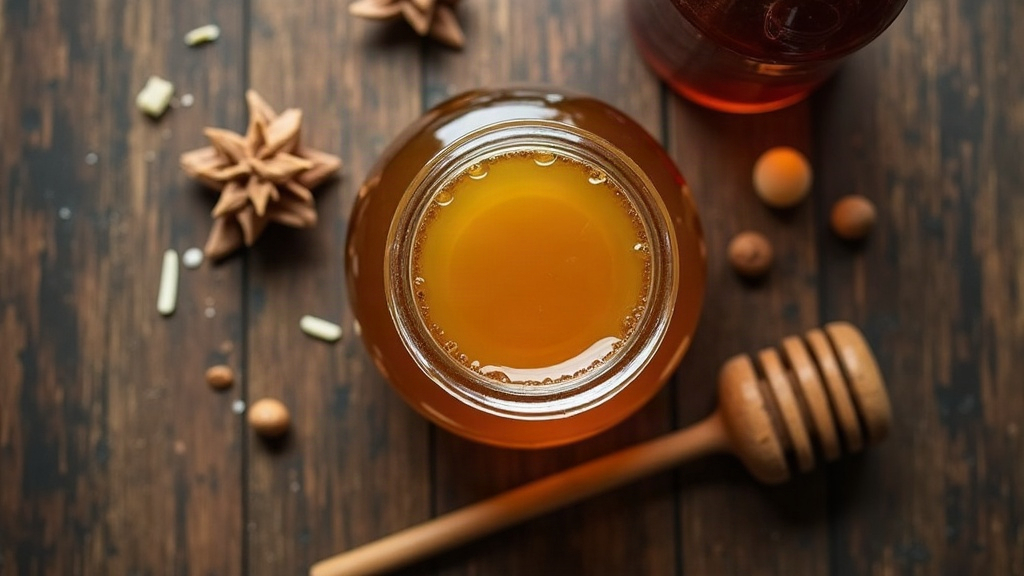
Long before ingredient lists and nutrition labels, market stalls sold oils and honey the way they’d been sold for generations — by the jar, by the spoonful, passed down from one cook to the next. Biblical drink (oil)/ Honey blend has roots in that kind of kitchen: a combination stirred into bread, drizzled over vegetables, or mixed into a warm drink at the end of a meal. It shows up in old family recipe cards more than in any pharmacy. Cooks reached for it the way they reached for olive oil or a jar of preserves — as part of a meal, not as medicine. That’s the story worth knowing: a pantry habit passed through generations of home cooking, nothing more, nothing less.
It belonged in the kitchen, alongside the bread and the vegetables — not in the medicine cabinet.
Six Moments Worth Bringing To Your Doctor
A Week That Feels Off
If your energy or appetite has felt noticeably different for several days in a row, that's worth mentioning at your next appointment — not something to self-diagnose.
New Cravings You Can't Explain
Sudden shifts in what you're craving or how hungry you feel are best discussed with the professional who knows your history.
Sleep That Isn't Refreshing
Waking up tired night after night, even with enough hours in bed, is a good topic for your next checkup.
Clothes Fitting Differently
Any noticeable, unexplained change in weight or how your clothes fit deserves a conversation with your doctor, not a guess at home.
Feeling Unusually Thirsty Or Tired After Meals
Patterns like this are exactly what your care team is trained to sort through — bring it up rather than trying to interpret it yourself.
Any Change Since Starting A New Routine
If you've changed something in your diet or habits and notice any shift in how you feel, tell your doctor before making further changes on your own.
How Some Households Talk About Their Routines

These are individual experiences shared for illustrative purposes. Names have been changed. Results and experiences vary from person to person, and none of this reflects a guarantee of any outcome. Always consult your doctor before changing your diet, routine, or any prescribed treatment.
A Simple Kitchen Habit, Nothing More
This page is about how one old pantry habit fits into everyday cooking — not a treatment, not a fix, not a substitute for medical care. Keep your doctor in the loop, keep your treatment plan as prescribed, and use this only as food for thought at your next grocery run.
Advertising Disclosure: This page contains sponsored content and affiliate links. We may receive compensation if you click a link or make a purchase through the links provided on this page. This compensation may impact how and where products or offers appear.
Content Disclaimer: This content is provided for educational and informational purposes only. It has not been evaluated by the Food and Drug Administration. It is not intended to diagnose, treat, cure, or prevent any disease and does not substitute for professional medical advice. Always consult a qualified healthcare professional before changing your diet, routine, or any prescribed treatment.
Results Disclaimer: Individual results and experiences vary. Testimonials and examples shared on this page reflect personal accounts and are not a guarantee of any particular outcome or result for any individual.
© 2026 · All Rights Reserved